
Penang is famously known as the food paradise. It is a beautiful multicultural state and heritage site. In Penang, you need to follow the footsteps of the locals to search for their amazing local food.
Below are some of the best local food in Penang that we think you should try when you visit there!


This Penang style curry mee is cooked by 2 sisters and has been selling this famous curry mee since 1946. The specialty of this particular curry mee is the two major ingredients, chilli and cuttlefish. It is unique because Penang is an island famous for its seafood which is the reason for the freshness of its cuttlefish. Additionally, this curry mee is cooked over a charcoal stove which makes it even authentic and flavourful.
Opening Hours:
Wed – Mon (7:30am – 1pm)
Note: Non-halal
Find It Here:


Even though it’s just a simple bowl of cendol, the fact that it had expanded from a small pushcart business to owning multiple outlets prove that it is the best of the best in town. You could still find the original pushcart tuck away in Penang Road.
Opening Hours:
Mon – Fri (10:30am – 7pm)
Sat – Sun (10am – 7:30pm)
Note: It is impossible to get a seat during peak hours or holidays
Find It Here:


The Air Itam Laksa is a bowl of rice vermicelli noodles with sweet and sour prawn soup topped with cucumber, onions, red chillies, pineapple, lettuce, mint and ginger. The key to this delicious laksa is the signature ‘hae ko’ which is the thick and sweet prawn paste and shredded mackerel fish.
Opening Hours:
Thurs – Tues (10:30am – 7pm)
Find It Here:


Penang style char kuey tiao is lighter compared to Singapore style with its black sauce. This Siam Road Char Kuey Tiao has been famous for its scrumptious dish and has been featured in various news. Owned by an old uncle who is known as the ‘Char Kuey Tiao King’, this dish is cooked on a pushcart at the corner of Siam Road. Popular for the wok hei in each plate of char kuey tiao, you can often see a long queue in front of the pushcart. Wok hei is the art of cooking that involves cooking the noodles over hot coal to bring out the maximum aroma. With the touch of large and juicy cockles and crispy pork lards, this is truly the best local food in Penang.
Opening Hours:
Mon – Sat (12pm – 7pm)
Closed on Sunday
Note: Non-halal
Find It Here:


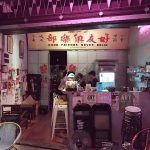
Penang Chee Cheong Fun is famous for its shrimp paste. However, Genting Cafe Chee Cheong Fun has brought it up to another level by adding peanut butter. Yes, you do not read it wrong! This colorful plate of Chee Cheong Fun consists of brown sauce (peanut butter), dark brown sauce (shrimp paste) and red chili sauce. All these sauces miraculously work well together to create a perfectly delicious and new-fusion chee cheong fun.
Opening Hours:
Sat – Tues, Thurs (8am – 3pm)
Closed on Fridays and Wednesdays
Find It Here:





.jpg)

buy facebook verified business manager buy-bm.org
buy facebook bm buy-business-manager-verified.org
buy facebook business account business-manager-for-sale.org
La Nivelación de Partes Móviles: Esencial para una Operación Sin Vibraciones
¿ En algún momento te has dado cuenta de movimientos irregulares en una máquina? ¿O tal vez escuchaste ruidos anómalos? Muchas veces, el problema está en algo tan básico como un desequilibrio en alguna pieza rotativa . Y créeme, ignorarlo puede costarte más de lo que imaginas.
El equilibrado de piezas es una tarea fundamental tanto en la fabricación como en el mantenimiento de maquinaria agrícola, ejes, volantes, rotores y componentes de motores eléctricos . Su objetivo es claro: impedir oscilaciones que, a la larga, puedan provocar desperfectos graves.
¿Por qué es tan importante equilibrar las piezas?
Imagina que tu coche tiene una rueda desequilibrada . Al acelerar, empiezan las vibraciones, el volante tiembla, e incluso puedes sentir incomodidad al conducir . En maquinaria industrial ocurre algo similar, pero con consecuencias aún peores :
Aumento del desgaste en cojinetes y rodamientos
Sobrecalentamiento de elementos sensibles
Riesgo de colapsos inesperados
Paradas imprevistas que exigen arreglos costosos
En resumen: si no se corrige a tiempo, una leve irregularidad puede transformarse en un problema grave .
Métodos de equilibrado: cuál elegir
No todos los casos son iguales. Dependiendo del tipo de pieza y su uso, se aplican distintas técnicas:
Equilibrado dinámico
Ideal para piezas que giran a alta velocidad, como rotores o ejes . Se realiza en máquinas especializadas que detectan el desequilibrio en varios niveles simultáneos. Es el método más fiable para lograr un desempeño estable.
Equilibrado estático
Se usa principalmente en piezas como neumáticos, discos o volantes de inercia. Aquí solo se corrige el peso excesivo en una sola superficie . Es rápido, sencillo y eficaz para ciertos tipos de maquinaria .
Corrección del desequilibrio: cómo se hace
Taladrado selectivo: se perfora la región con exceso de masa
Colocación de contrapesos: por ejemplo, en llantas o aros de volantes
Ajuste de masas: común en cigüeñales y otros componentes críticos
Equipos profesionales para detectar y corregir vibraciones
Para hacer un diagnóstico certero, necesitas herramientas precisas. Hoy en día hay opciones disponibles y altamente productivas, por ejemplo :
✅ Balanset-1A — Tu aliado portátil para equilibrar y analizar vibraciones
аренда авто автомобиль аренда машины на сутки
buy business manager facebook fb bussiness manager
La Nivelación de Partes Móviles: Esencial para una Operación Sin Vibraciones
¿ Has percibido alguna vez temblores inusuales en un equipo industrial? ¿O sonidos fuera de lo común? Muchas veces, el problema está en algo tan básico como una falta de simetría en un elemento móvil. Y créeme, ignorarlo puede costarte caro .
El equilibrado de piezas es un procedimiento clave en la producción y cuidado de equipos industriales como ejes, volantes, rotores y partes de motores eléctricos . Su objetivo es claro: prevenir movimientos indeseados capaces de generar averías importantes con el tiempo .
¿Por qué es tan importante equilibrar las piezas?
Imagina que tu coche tiene una llanta mal nivelada . Al acelerar, empiezan las sacudidas, el timón vibra y resulta incómodo circular así. En maquinaria industrial ocurre algo similar, pero con consecuencias aún peores :
Aumento del desgaste en cojinetes y rodamientos
Sobrecalentamiento de partes críticas
Riesgo de colapsos inesperados
Paradas no planificadas y costosas reparaciones
En resumen: si no se corrige a tiempo, una mínima falla podría derivar en una situación compleja.
Métodos de equilibrado: cuál elegir
No todos los casos son iguales. Dependiendo del tipo de pieza y su uso, se aplican distintas técnicas:
Equilibrado dinámico
Perfecto para elementos que operan a velocidades altas, tales como ejes o rotores . Se realiza en máquinas especializadas que detectan el desequilibrio en dos o más planos . Es el método más fiable para lograr un desempeño estable.
Equilibrado estático
Se usa principalmente en piezas como neumáticos, discos o volantes de inercia. Aquí solo se corrige el peso excesivo en una sola superficie . Es rápido, sencillo y eficaz para ciertos tipos de maquinaria .
Corrección del desequilibrio: cómo se hace
Taladrado selectivo: se quita peso en el punto sobrecargado
Colocación de contrapesos: como en ruedas o anillos de volantes
Ajuste de masas: típico en bielas y elementos estratégicos
Equipos profesionales para detectar y corregir vibraciones
Para hacer un diagnóstico certero, necesitas herramientas precisas. Hoy en día hay opciones accesibles y muy efectivas, como :
✅ Balanset-1A — Tu aliado portátil para equilibrar y analizar vibraciones
buy facebook bm account buy-bm.org
buy facebook business manager https://buy-business-manager-verified.org/
buy verified business manager https://business-manager-for-sale.org/